



PET Sheet Recycling Challenges in Southeast Asia
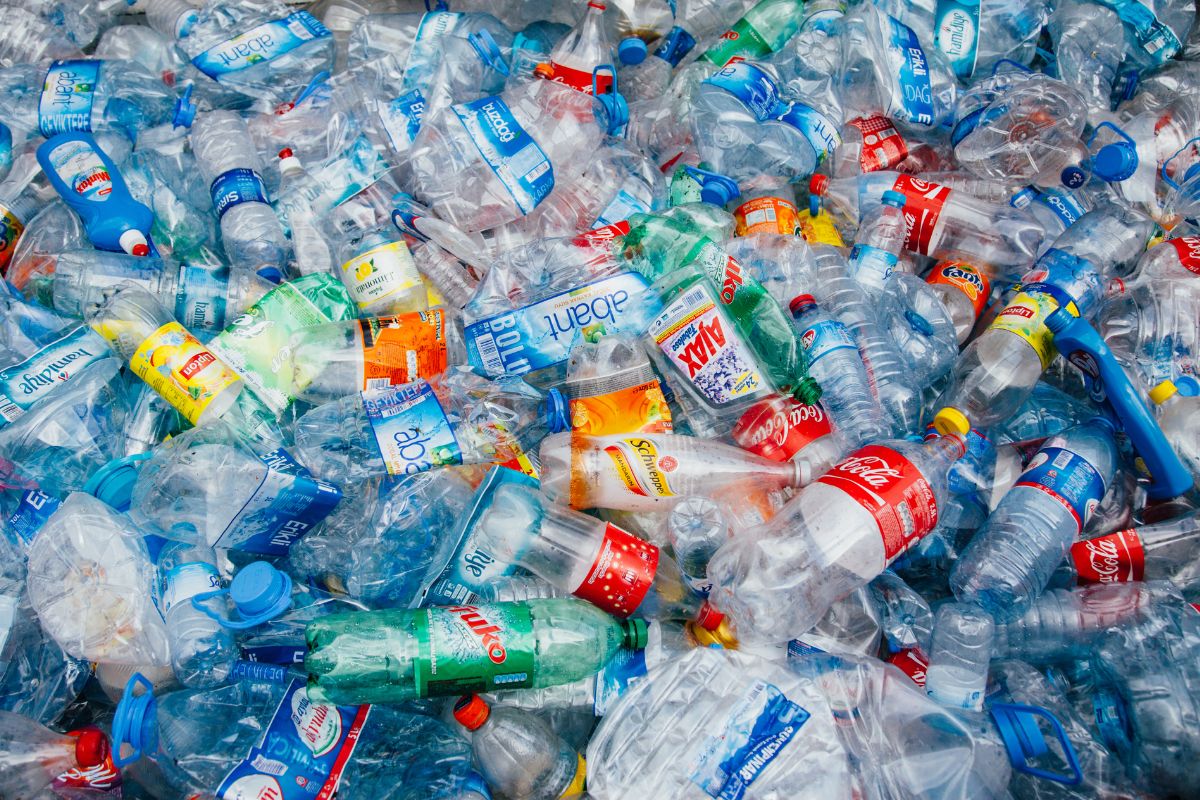
Amid growing governmental efforts across Southeast Asia to reduce single-use plastics and shift toward a circular economy, the use of rPET (recycled PET) is rapidly expanding. In countries like Indonesia, Vietnam, Thailand, and the Philippines, there’s increasing focus on recycling PET sheets and packaging materials to meet ESG goals and navigate tightening export regulations. The demand for a stable supply of high-quality rPET is driving policy and industrial changes across the region.
However, despite the momentum, the region still faces key technical hurdles, such as underdeveloped collection infrastructure and varying levels of environmental awareness. These issues highlight the need for advanced processing solutions that can help overcome existing bottlenecks in PET recycling.
The Challenges of PET Recycling in Southeast Asia

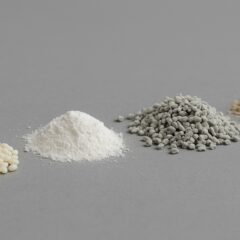
One of the major challenges in Southeast Asia’s recycling process is the inconsistency in the quality of collected materials and the difficulty of handling ground flakes. PET flakes from bottles, sheets, and films typically have low bulk density and are difficult to feed into the screw, leading to feed neck issues and unstable throughput.
These difficulties compromise the overall efficiency and product quality of the recycling process, representing serious technical bottlenecks across the region.
In particular, PET flakes made from recycled PET sheets often have extremely low bulk density (0.04–0.55 g/cm³), making it difficult for conventional twin-screw extruders to process them without feed interruptions. In addition, PET is highly prone to hydrolysis, especially in hot and humid environments, necessitating pre-drying to prevent material degradation—adding cost and complexity to the line.
CTE’s Solution: The HTM Twin-Screw Extruder
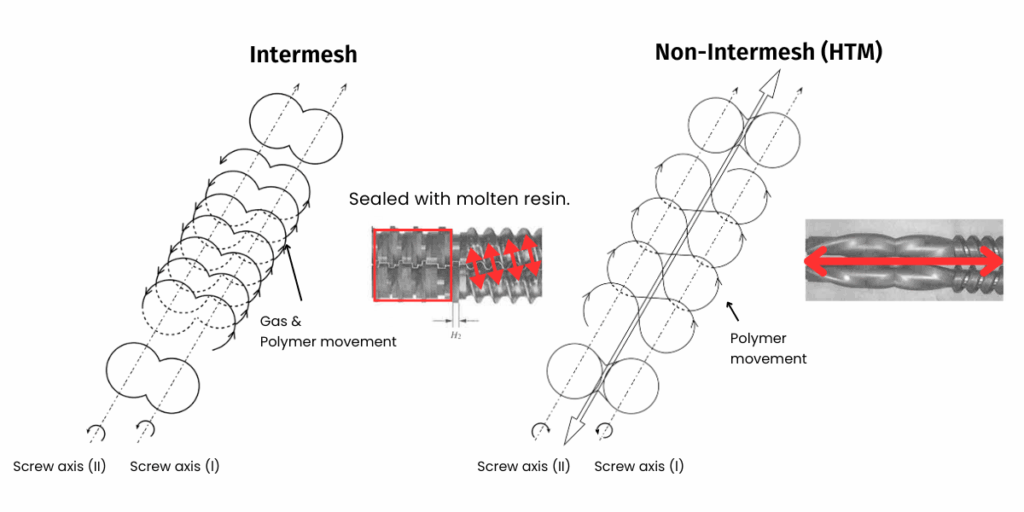
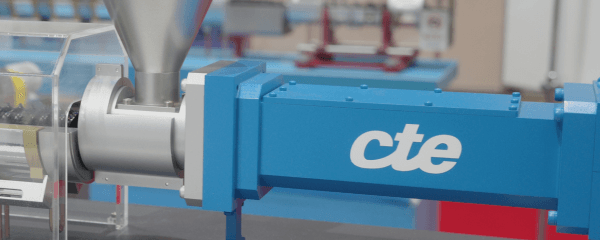
CTE’s patented HTM twin-screw compounding extruder is designed with a non-intermeshing, counter-rotating screw structure and a high-performance rear venting (devolatilization) system. This unique design delivers the following advantages:
⚫️ Stable high throughput with low bulk density materials by minimizing feed neck risk
⚫️ Efficient degassing, reducing hydrolysis and eliminating the need for pre-drying
⚫️ Superior mixing performance while suppressing heat buildup with momentary high shear force
⚫️ Cooling from both screw and barrel, enabling low-temperature, stable extrusion

Unlike conventional twin-screw extruders where screws intermesh and generate excess shear heat, the HTM’s open-channel design promotes efficient gas escape and reduces thermal degradation. This results in high-quality, uniform mixing with excellent material preservation.
Case Data: HTM φ50mm Extruder Performance
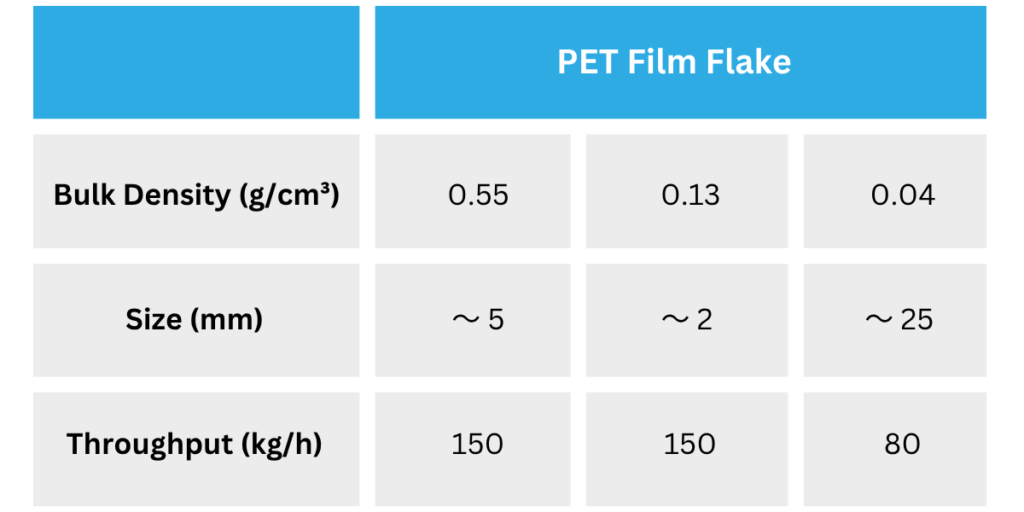
Even with a low bulk density of 0.04 g/cm³, the φ50mm HTM extruder achieves a stable throughput of 80 kg/h—proving its effectiveness with lightweight, hard-to-feed materials.
Summary: Contributing to Southeast Asia’s Advanced PET Recycling
As Southeast Asia moves toward more advanced rPET initiatives, CTE’s HTM twin-screw extruder provides key advantages for production sites:
⚫️ Elimination of pre-drying, reducing energy usage and simplifying operations
⚫️ Stable handling of lightweight ground materials, improving process stability
⚫️ Higher throughput and operational reliability, enhancing overall efficiency
CTE also offers on-site testing and performance evaluation with the HTM extruder. If you are looking to improve your PET recycling process or explore new opportunities in circular material processing, feel free to contact us.